Exploring the realm of Emergency Room Error Lawyer: When Hospital Overcrowding Leads to Fatal Mistakes, this piece delves into the intricacies of medical malpractice, shedding light on the dire consequences that can arise from errors made in high-stress environments. Join us on a journey filled with informative insights and real-life examples.
Delve into the world of emergency room errors, understanding the impact they have on patients and their loved ones. Uncover the causes behind these mistakes and the legal implications that follow.
Overview of Emergency Room Errors
Emergency room errors are mistakes or oversights that occur during the treatment of patients in an emergency room setting. These errors can have serious consequences and may even lead to fatal outcomes if not addressed promptly and correctly.Some common examples of emergency room errors include misdiagnosis, medication errors, delayed treatment, surgical mistakes, and communication failures among healthcare providers.
These errors can result from a variety of factors such as overcrowding, understaffing, fatigue, lack of proper training, or miscommunication.The impact of these errors on patients and their families can be devastating. Patients may suffer from worsened medical conditions, permanent disabilities, or even death as a result of emergency room errors.
Families may experience emotional distress, financial burdens, and a loss of trust in the healthcare system.
Types of Emergency Room Errors
- Misdiagnosis: When a healthcare provider fails to correctly diagnose a patient’s condition, leading to inappropriate treatment or delays in necessary care.
- Medication Errors: Mistakes in prescribing, administering, or monitoring medications that can result in harmful drug interactions, overdoses, or allergic reactions.
- Delayed Treatment: When patients do not receive timely care due to long wait times, miscommunication, or prioritization of other cases.
- Surgical Mistakes: Errors made during emergency surgeries, such as wrong-site surgery, foreign objects left inside the body, or complications from anesthesia.
- Communication Failures: Breakdowns in communication between healthcare providers, leading to misunderstandings, missed information, or incorrect treatment plans.
Causes of Emergency Room Errors
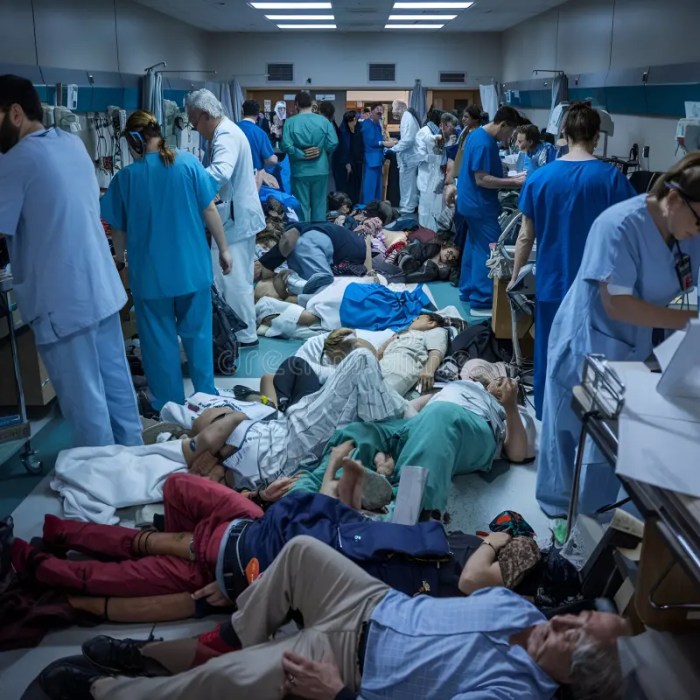
Emergency room errors can occur due to various factors, including overcrowding in hospitals. The overwhelming number of patients in emergency rooms can lead to mistakes that can have fatal consequences. It is essential to understand the reasons behind these errors to prevent them and ensure patient safety.
Factors Contributing to Emergency Room Errors
- Staffing shortages: Insufficient medical staff can result in overworked healthcare professionals, leading to errors in diagnosis, medication administration, and treatment.
- Lack of communication: Poor communication among healthcare team members can result in crucial information being missed or misunderstood, impacting patient care.
- Fatigue and burnout: Long hours and high-stress environments can contribute to healthcare providers making errors in judgment and decision-making.
Overcrowding in Hospitals
Overcrowding in hospitals is a significant issue that can directly contribute to emergency room errors. When emergency departments are overcrowded, patients may experience delays in receiving care, leading to worsened outcomes. Healthcare providers may also feel pressured to expedite treatment, increasing the likelihood of mistakes.
Prevalence of Errors in Emergency Rooms
According to a study published in the Journal of Patient Safety, medical errors in emergency rooms are more common than previously thought, with an estimated 5% of patients experiencing preventable harm. These errors can range from misdiagnosis to medication errors and surgical mistakes, highlighting the importance of addressing the root causes of these issues.
Legal Implications and Responsibilities
When it comes to emergency room errors that result from hospital overcrowding, the legal implications and responsibilities are crucial in seeking justice for victims and holding healthcare providers accountable.
Role of a Lawyer Specializing in Emergency Room Errors
A lawyer specializing in emergency room errors plays a crucial role in representing victims who have suffered harm due to medical negligence in overcrowded emergency rooms. These lawyers have expertise in medical malpractice laws and can navigate the complex legal process to pursue justice for their clients.
Legal Recourse Available to Victims
Victims of emergency room errors caused by hospital overcrowding have legal recourse to seek compensation for their damages. This may include financial compensation for medical expenses, lost wages, pain and suffering, and other related losses. By filing a medical malpractice lawsuit, victims can hold negligent healthcare providers accountable for their mistakes.
Examples of Successful Cases
- In a case where a patient died due to a delayed diagnosis in an overcrowded emergency room, the family of the victim successfully sued the hospital for medical malpractice. The overcrowding led to delays in receiving appropriate care, ultimately resulting in a fatal outcome.
- Another example involves a patient who suffered permanent disability after being given the wrong medication in a crowded emergency room. The hospital was found liable for the error, and the patient received compensation for the long-term consequences of the mistake.
Patient Advocacy and Support
When patients are affected by emergency room errors, it is crucial for them to receive the necessary support and advocacy to navigate through the aftermath. Patient advocacy plays a vital role in not only seeking justice but also in preventing future errors from occurring.
Resources for Patients
Patients who have experienced emergency room errors can seek support from various resources such as:
- Legal aid organizations specializing in medical malpractice cases.
- Patient advocacy groups that offer guidance and support throughout the legal process.
- Counseling services to address the emotional impact of the error.
Importance of Patient Advocacy
Patient advocacy is essential in holding medical professionals accountable for their actions and ensuring that necessary changes are made to prevent similar errors in the future. By speaking up and seeking support, patients can contribute to improving the overall quality of emergency room care.
Tips for Patients
- Be proactive in asking questions about your treatment plan and medications.
- Keep a record of your medical history and any interactions with healthcare providers.
- Seek a second opinion if you have concerns about the care you are receiving.
- Don’t hesitate to voice any discomfort or doubts during your emergency room visit.
Last Point
As we reach the end of our discussion on Emergency Room Error Lawyer: When Hospital Overcrowding Leads to Fatal Mistakes, we reflect on the importance of patient advocacy and the need for legal recourse in cases of medical negligence. Stay informed, stay empowered, and remember that your health matters.
Questions and Answers
What are some common examples of emergency room errors?
Common emergency room errors include misdiagnosis, medication errors, delays in treatment, and surgical mistakes.
How can hospital overcrowding contribute to errors in the emergency room?
Hospital overcrowding can lead to fatigue among medical staff, increased wait times for patients, and a higher likelihood of communication breakdowns, all of which can contribute to mistakes.
What legal options do victims of emergency room errors have?
Victims of emergency room errors can seek legal recourse through medical malpractice lawsuits, aiming to hold the responsible parties accountable for their negligence.