As Roundup Weed Killer Lawsuit: Navigating Non-Hodgkin’s Lymphoma Settlements takes center stage, this opening passage beckons readers with a crafted world of knowledge, ensuring an absorbing and original reading experience.
The following paragraphs will provide clear and descriptive information about the topic.
Background of Roundup Weed Killer Lawsuit
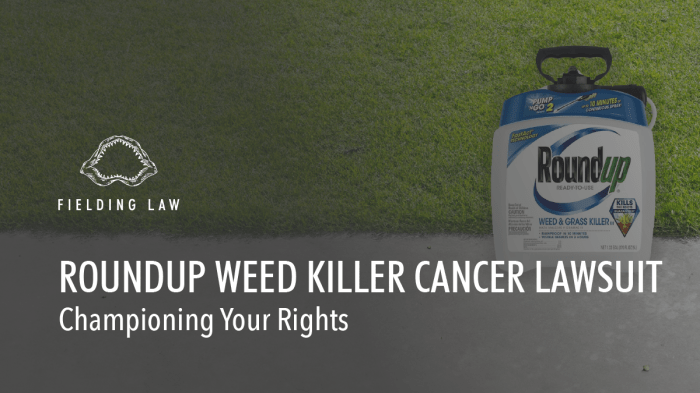
The Roundup Weed Killer lawsuit originated from concerns regarding the potential link between the popular herbicide and Non-Hodgkin’s Lymphoma, a type of cancer affecting the lymphatic system. Roundup, manufactured by Monsanto, contains glyphosate as the active ingredient, which has raised questions about its safety and impact on human health.
History of the Lawsuit
The controversy surrounding Roundup escalated when multiple studies suggested a possible association between glyphosate exposure and Non-Hodgkin’s Lymphoma. This led to a wave of legal actions against Monsanto, alleging that the company failed to warn consumers about the potential health risks associated with the product.
Link to Non-Hodgkin’s Lymphoma
- Research studies have indicated a possible correlation between glyphosate exposure and an increased risk of developing Non-Hodgkin’s Lymphoma.
- Individuals who have used Roundup extensively, such as farmers, landscapers, and gardeners, are among those who have filed lawsuits claiming that their cancer diagnosis is linked to glyphosate exposure.
- While some regulatory bodies have deemed glyphosate as safe for use, the debate continues due to conflicting evidence and ongoing research into the long-term effects of exposure.
Key Points of Contention
- One of the main arguments in the lawsuit is whether Monsanto adequately communicated the potential risks associated with Roundup, especially regarding the development of Non-Hodgkin’s Lymphoma.
- Critics argue that Monsanto downplayed the health concerns related to glyphosate exposure and influenced regulatory decisions to maintain the product’s marketability.
- The lawsuit also questions the validity of the studies used to support the safety of glyphosate, with conflicting evidence and allegations of industry influence on research outcomes.
Non-Hodgkin’s Lymphoma Settlements
Individuals affected by Non-Hodgkin’s Lymphoma due to Roundup Weed Killer may be eligible for settlements to compensate for their injuries.
Types of Settlements
- Individual Settlements:These are settlements offered to individuals who have been diagnosed with Non-Hodgkin’s Lymphoma after using Roundup Weed Killer. The amount of compensation varies based on factors such as the severity of the illness and the extent of damages.
- Class Action Settlements:In some cases, individuals may be part of a class action lawsuit against the manufacturer of Roundup Weed Killer. This type of settlement involves a group of individuals affected by the same product and offers a collective compensation amount.
Eligibility Criteria
To qualify for settlements related to Non-Hodgkin’s Lymphoma caused by Roundup Weed Killer, individuals typically need to provide medical documentation proving their diagnosis. They may also need to show evidence of using the product and the link between their illness and exposure to the herbicide.
Consultation with legal experts specializing in these cases can help determine eligibility and the best course of action.
Legal Implications and Challenges
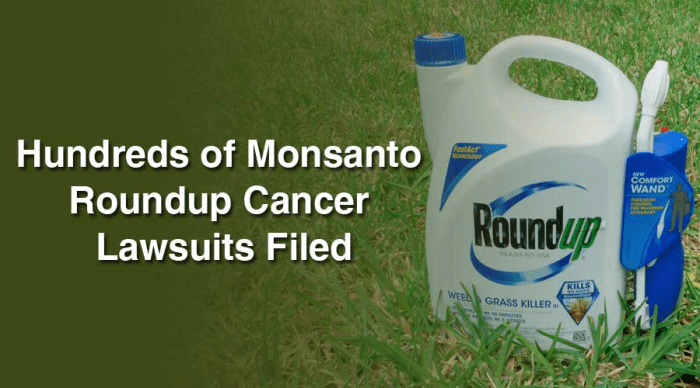
The Roundup Weed Killer lawsuits have significant legal implications for the agriculture industry, as they bring to light the potential risks associated with the use of glyphosate-based herbicides. These lawsuits have raised concerns about the safety of such products and have prompted regulatory bodies to reevaluate their approval processes.
Impact on Agriculture Industry
The legal battles surrounding Roundup Weed Killer have put a spotlight on the agriculture industry’s reliance on chemical herbicides. Farmers and agricultural companies may face increased scrutiny and regulation, leading to potential changes in farming practices and product development. The outcome of these lawsuits could set a precedent for future cases involving similar products.
Challenges Faced by Plaintiffs and Defendants
Both the plaintiffs and defendants in Roundup Weed Killer lawsuits face unique challenges. Plaintiffs must prove a causal link between their exposure to the herbicide and their diagnosis of Non-Hodgkin’s Lymphoma, which can be a complex and time-consuming process. On the other hand, defendants must navigate mounting evidence and public perception against glyphosate-based products, which can impact their reputation and financial standing.
Role of Scientific Evidence
Scientific evidence plays a crucial role in determining liability in Roundup Weed Killer lawsuits. Studies linking glyphosate to cancer, as well as internal company documents revealing potential risks associated with the herbicide, have been key pieces of evidence in court cases.
The interpretation and presentation of scientific data can sway the outcome of these lawsuits, highlighting the importance of thorough research and expert testimony.
Health Impact and Safety Concerns
When it comes to the health impact of Roundup Weed Killer, individuals exposed to the product have reported various adverse effects, including an increased risk of developing Non-Hodgkin’s Lymphoma. Studies have linked glyphosate, the active ingredient in Roundup, to this type of cancer, raising serious concerns about the safety of using this herbicide.
Health Impact of Roundup Weed Killer
- Exposure to glyphosate has been associated with an increased risk of Non-Hodgkin’s Lymphoma, a type of cancer affecting the lymphatic system.
- Other reported health effects of glyphosate exposure include skin irritation, respiratory problems, and gastrointestinal issues.
- Long-term exposure to glyphosate has also been linked to reproductive and developmental problems in humans.
Safety Concerns of Glyphosate-Based Herbicides
- Glyphosate has been classified as a probable human carcinogen by the International Agency for Research on Cancer (IARC), raising concerns about its safety for both users and the environment.
- Residues of glyphosate have been found in food and water sources, posing potential risks to human health through dietary exposure.
- There are concerns about the development of glyphosate-resistant weeds, leading to increased herbicide use and potential environmental impacts.
Alternative Weed Control Methods
- Organic weed control methods, such as mulching, hand weeding, and using natural herbicides, offer safer alternatives to glyphosate-based products.
- Crop rotation, cover cropping, and integrated pest management strategies can help reduce the reliance on chemical herbicides while promoting sustainable agriculture practices.
- Biological controls, such as beneficial insects and microbial agents, can be used to manage weed populations without the need for synthetic herbicides.
Last Point
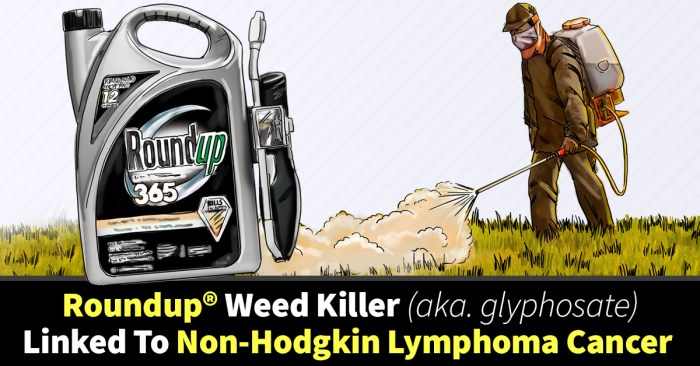
In conclusion, this discussion has shed light on the complexities surrounding Roundup Weed Killer Lawsuit and Non-Hodgkin’s Lymphoma Settlements, offering a comprehensive view of the legal and health implications involved.
FAQ Insights
What are the key points of contention in the Roundup Weed Killer Lawsuit?
The key points of contention revolve around the link between Roundup Weed Killer and Non-Hodgkin’s Lymphoma, as well as the responsibility of the manufacturer in ensuring product safety.
What types of settlements are available for individuals affected by Non-Hodgkin’s Lymphoma due to Roundup Weed Killer?
There are different types of settlements including individual settlements, class action settlements, and mass tort settlements.
What are the eligibility criteria for individuals to qualify for settlements in the Roundup Weed Killer Lawsuit?
Eligibility criteria may vary but generally include proof of diagnosis, exposure to Roundup Weed Killer, and meeting specific deadlines for filing claims.