
As Swimming Pool Drowning Attorney: Holding Public and Private Owners Accountable takes center stage, this opening passage beckons readers with a crafted world of good knowledge, ensuring an absorbing and distinctly original reading experience.
In the subsequent paragraph, a descriptive and clear information about the topic will be provided.
Legal Responsibilities of Public and Private Pool Owners
Public and private pool owners have distinct legal obligations when it comes to preventing drownings and ensuring the safety of individuals using their facilities.Public pool owners, such as municipalities or community centers, are held to a high standard of care.
They are required to adhere to strict safety regulations set by state and federal laws to prevent accidents and drownings. This includes maintaining proper fencing, providing lifeguards, conducting regular inspections, and ensuring that all safety equipment is in place and operational.On the other hand, private pool owners, including homeowners and businesses, also have a duty to ensure the safety of their pool.
While they may not be subject to the same stringent regulations as public pools, they are still expected to take reasonable precautions to prevent accidents. This can involve installing safety features like pool alarms, fences, and covers, as well as providing proper supervision when the pool is in use.
Comparison of Safety Regulations
- Public Pool Regulations: Public pools are typically required to have certified lifeguards on duty, proper signage indicating pool depths, emergency equipment readily available, regular maintenance and inspections, as well as compliance with building and health codes.
- Private Pool Regulations: Private pool owners are often required to have safety barriers like fences with self-locking gates, pool covers, and alarms. They are also encouraged to provide swimming lessons for family members and guests, as well as to implement safety rules for pool use.
Factors Contributing to Swimming Pool Drownings
When it comes to swimming pool drownings, there are several factors that can contribute to these tragic incidents. From lack of supervision to poor pool maintenance, understanding these factors is crucial in preventing accidents and ensuring the safety of pool users.
Common Causes of Swimming Pool Drownings
- Unsupervised children or weak swimmers: One of the most common causes of swimming pool drownings is the lack of supervision, especially with children or individuals who are not strong swimmers. Without proper supervision, accidents can happen quickly and unexpectedly.
- Diving into shallow water: Another common cause of pool drownings is diving into shallow water. This can result in serious injuries or even death if the individual hits their head on the bottom of the pool.
- Slippery pool decks: Slippery pool decks can also contribute to accidents and drownings. If the pool area is not properly maintained and cleaned, it can increase the risk of falls and injuries, especially when running around the pool.
Role of Pool Maintenance in Preventing Accidents
- Regular cleaning and maintenance: Proper pool maintenance, including regular cleaning and chemical balancing, is essential in preventing accidents. Clean water reduces the risk of slips and falls, while balanced chemicals ensure the safety of swimmers.
- Secure fencing and barriers: Installing secure fencing and barriers around the pool area can help prevent unauthorized access, especially by young children. This extra layer of protection can reduce the risk of drownings, particularly in residential settings.
- Proper signage and safety equipment: Having clear signage around the pool area, indicating pool depths, rules, and emergency contact information, can help prevent accidents. Additionally, having safety equipment such as lifebuoys and reaching poles readily available can aid in rescue efforts in case of emergencies.
Steps to Take After a Swimming Pool Drowning Incident
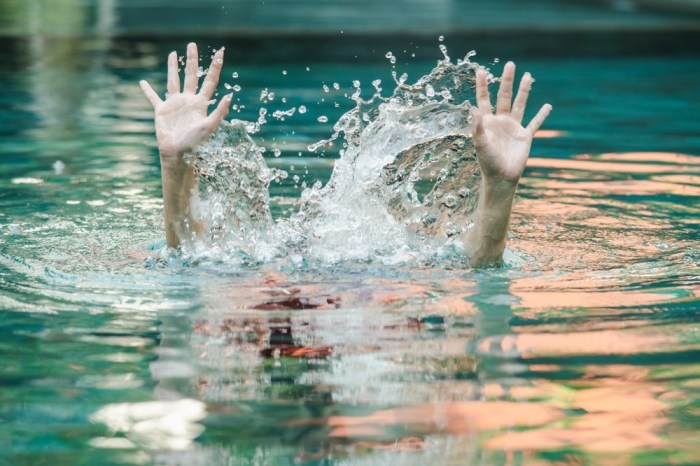
After a swimming pool drowning incident, it is crucial to take immediate actions at the scene to ensure the safety of the victim and gather evidence for potential legal proceedings.
Immediate Actions at the Scene of a Drowning
- Call emergency services: Immediately dial emergency services or 911 for professional medical assistance.
- Perform CPR if trained: If you are trained in CPR, administer it until medical help arrives.
- Document the scene: Take photos or videos of the area where the drowning occurred to capture important details.
- Collect witness information: Gather contact information from any witnesses present at the scene.
Importance of Gathering Evidence for Legal Proceedings
- Establishing liability: Evidence such as photos, witness statements, and medical reports can help determine liability.
- Supporting your claim: Strong evidence can strengthen your case when filing a claim against negligent pool owners.
- Ensuring justice: Gathering evidence ensures that those responsible for the incident are held accountable.
Process of Filing a Claim Against Negligent Pool Owners
- Consult with a swimming pool drowning attorney: Seek legal advice from a specialized attorney in handling drowning cases.
- Provide evidence: Present all gathered evidence to your attorney to support your claim.
- File a lawsuit: Your attorney will guide you through the process of filing a lawsuit against the negligent pool owner.
- Attend legal proceedings: Be prepared to participate in legal proceedings to seek justice and compensation for the incident.
Role of Swimming Pool Drowning Attorneys
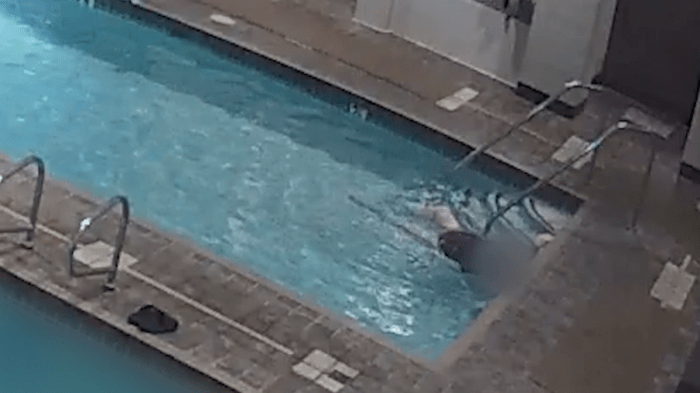
When it comes to cases of swimming pool drownings, attorneys specializing in this area play a crucial role in seeking justice for the victims and their families. These attorneys are well-versed in the legal complexities surrounding such incidents and are dedicated to holding public and private pool owners accountable for negligence.
Responsibilities of Drowning Attorneys
Swimming pool drowning attorneys are responsible for investigating the circumstances surrounding the incident, gathering evidence, and building a strong case to prove negligence on the part of the pool owner. They also provide legal representation for their clients in court, ensuring that their rights are protected and that they receive fair compensation for their losses.
Examples of Successful Cases
- Attorneys successfully represented a family whose child drowned in a public pool due to lack of proper safety measures. The family received a significant settlement that covered medical expenses and emotional damages.
- In another case, a drowning attorney secured justice for a victim who suffered permanent injuries after a near-drowning incident at a private pool. The pool owner was found liable for failing to maintain safety standards.
Holding Pool Owners Accountable
Attorneys specializing in swimming pool drownings work tirelessly to ensure that public and private pool owners are held accountable for their negligence. By filing lawsuits and presenting compelling evidence in court, these attorneys seek to prevent future incidents and promote safety measures in all swimming pool facilities.
Last Word
Concluding the discussion in an engaging manner, the content of the concluding paragraph offers a summary and final thoughts.
FAQ Explained
What legal obligations do public pool owners have to prevent drownings?
Public pool owners are required to adhere to safety regulations, provide adequate supervision, and maintain the pool in a safe condition to prevent drownings.
What are common causes of swimming pool drownings?
Common causes include lack of supervision, poor maintenance, inadequate safety measures, and lack of swimming skills.
How do swimming pool drowning attorneys hold owners accountable for negligence?
Attorneys specializing in these cases gather evidence, file claims, and represent victims in legal proceedings to ensure negligent pool owners are held accountable.