As Slip and Fall Lawyer New Jersey: Proving “Dangerous Condition” on Commercial Property takes center stage, this opening passage beckons readers with a casual formal language style into a world crafted with good knowledge, ensuring a reading experience that is both absorbing and distinctly original.
Exploring the nuances of slip and fall cases and the critical role of proving “dangerous condition” on commercial property can shed light on legal complexities that individuals may face.
Understanding “Dangerous Condition” in Slip and Fall Cases
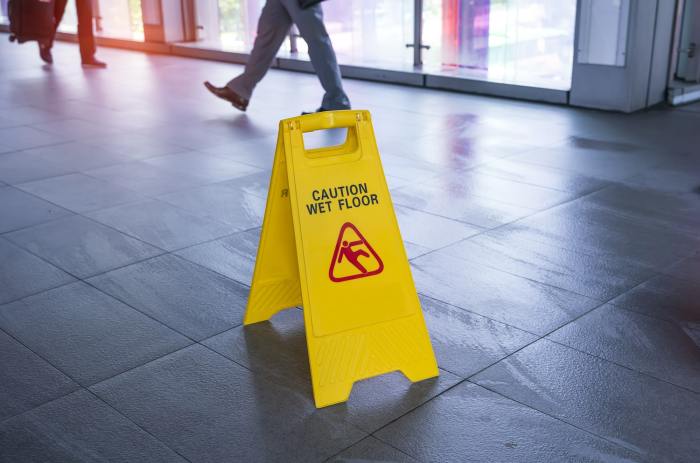
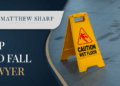
In slip and fall cases, a “dangerous condition” refers to any potential hazard or unsafe situation on commercial property that could cause an individual to slip, trip, or fall and sustain injuries. Identifying and proving the existence of a dangerous condition is crucial in determining liability and seeking compensation for the damages incurred.
Definition of a “Dangerous Condition”
- A wet or slippery floor due to spills or inadequate cleaning
- Uneven or broken flooring, tiles, or carpets
- Poor lighting that obscures obstacles or hazards
- Lack of proper signage warning of potential dangers
- Obstructed walkways or aisles cluttered with debris
Importance of “Dangerous Condition” in Slip and Fall Cases
The concept of a dangerous condition is vital in slip and fall cases as it establishes the property owner or manager’s negligence in maintaining a safe environment for visitors. By proving the presence of a dangerous condition, the injured party can demonstrate that the property owner failed to take reasonable steps to prevent accidents and injuries.
Examples of Common Dangerous Conditions
- A grocery store with a spilled liquid on the floor without warning signs
- A parking lot with potholes or uneven surfaces that are not properly marked
- A restaurant with a dimly lit staircase that lacks handrails
- A retail store with merchandise blocking walkways and creating trip hazards
Role of Property Owners in Maintaining Safe Environments
Property owners have a legal responsibility to ensure that their premises are safe for visitors and customers. This duty of care extends to taking reasonable steps to prevent dangerous conditions that could lead to slip and fall accidents.
Legal Responsibilities of Property Owners
- Property owners must regularly inspect their premises to identify any potential hazards.
- They are required to promptly address any dangerous conditions once they are discovered.
- Property owners must provide adequate warnings for any hazards that cannot be immediately rectified.
Liability for Slip and Fall Accidents
- Property owners can be held liable for slip and fall accidents if they were aware of a dangerous condition but failed to take action to address it.
- They may also be held accountable if they did not conduct regular inspections or failed to warn visitors of known hazards.
- In cases where negligence is proven, property owners may be required to compensate the injured party for their damages.
Duty of Care to Visitors
- Property owners owe a duty of care to all visitors on their premises, including customers, employees, and guests.
- They are expected to maintain a safe environment and take proactive measures to prevent accidents.
- Failure to uphold this duty of care can result in legal consequences and financial liability for the property owner.
Gathering Evidence to Support a Slip and Fall Claim

When pursuing a slip and fall claim, gathering evidence is crucial in proving a dangerous condition on commercial property and holding the property owner accountable.
Importance of Collecting Evidence
- Photographs: Visual evidence of the hazardous condition can provide a clear depiction of the scene at the time of the incident.
- Witness Statements: Statements from individuals who witnessed the fall can corroborate the details of the accident.
- Incident Reports: Official reports filed with the property owner or manager can document the occurrence and the conditions that led to the slip and fall.
Strength of Evidence in a Slip and Fall Case
- Evidence can help establish liability by demonstrating that the property owner was aware of the dangerous condition or should have been aware of it.
- Photographs can show the exact location and nature of the hazard, aiding in proving negligence on the part of the property owner.
- Witness statements can provide firsthand accounts of the incident, adding credibility to the claim and supporting the victim’s version of events.
- Incident reports serve as official documentation of the accident, outlining the details and circumstances surrounding the slip and fall.
Working with a Slip and Fall Lawyer in New Jersey
When dealing with a slip and fall case in New Jersey, hiring a slip and fall lawyer can be highly beneficial for navigating the legal complexities involved in such claims.
A slip and fall lawyer plays a crucial role in investigating the incident, negotiating with the property owner or their insurance company, and even litigating the claim in court if necessary. They have the legal expertise and experience to handle all aspects of your case and ensure that you receive the compensation you deserve.
The Benefits of Hiring a Slip and Fall Lawyer
- Expertise: A slip and fall lawyer understands the laws and regulations related to premises liability in New Jersey, giving you a significant advantage in your case.
- Negotiation Skills: They can effectively negotiate with the other party to reach a fair settlement that covers your medical expenses, lost wages, and other damages.
- Litigation Experience: If a settlement cannot be reached, a slip and fall lawyer is prepared to represent you in court and fight for your rights.
How to Find a Reputable Slip and Fall Lawyer in New Jersey
- Seek Recommendations: Ask friends, family, or other attorneys for referrals to reputable slip and fall lawyers in the area.
- Research Online: Look for reviews and testimonials from past clients to gauge the lawyer’s reputation and track record of success in slip and fall cases.
- Consultations: Schedule consultations with potential lawyers to discuss your case and assess their knowledge, communication style, and willingness to represent you effectively.
Final Wrap-Up
In conclusion, understanding the intricacies of slip and fall cases in New Jersey and the significance of proving a “dangerous condition” on commercial property is vital for seeking legal recourse and ensuring justice prevails.
Question Bank
What constitutes a “dangerous condition” on commercial property?
A “dangerous condition” can be anything that poses a risk of harm to individuals, such as wet floors, uneven surfaces, or poorly maintained walkways.
How can property owners be held liable for slip and fall accidents?
Property owners can be held liable if they knew or should have known about a dangerous condition on their premises and failed to take reasonable steps to address it.
What are some potential evidence sources to support a slip and fall claim?
Evidence sources can include photographs of the accident scene, witness statements, incident reports, surveillance footage, and maintenance records.